

 Feed back
 Privacy Policy
In recent years, public interest in astrology news has surged, driven by a growing desire to understand personal purpose, emotional patterns, and global shifts through the lens of celestial movements. The period spanning late 2025 into 2026 marks a particularly dynamic chapter in astrological cycles, with numerous planetary transitions, eclipses, and lunar phases converging to shape both individual and collective experiences. As astronomical precision meets interpretive depth, seekers are increasingly turning to reliable sources for the latest astrology news 2025 to stay informed about how these cosmic rhythms may influence daily life. This report provides structured, fact-based insights into upcoming events, blending scientific observation with traditional astrological frameworks to offer accessible guidance for all levels of interest.
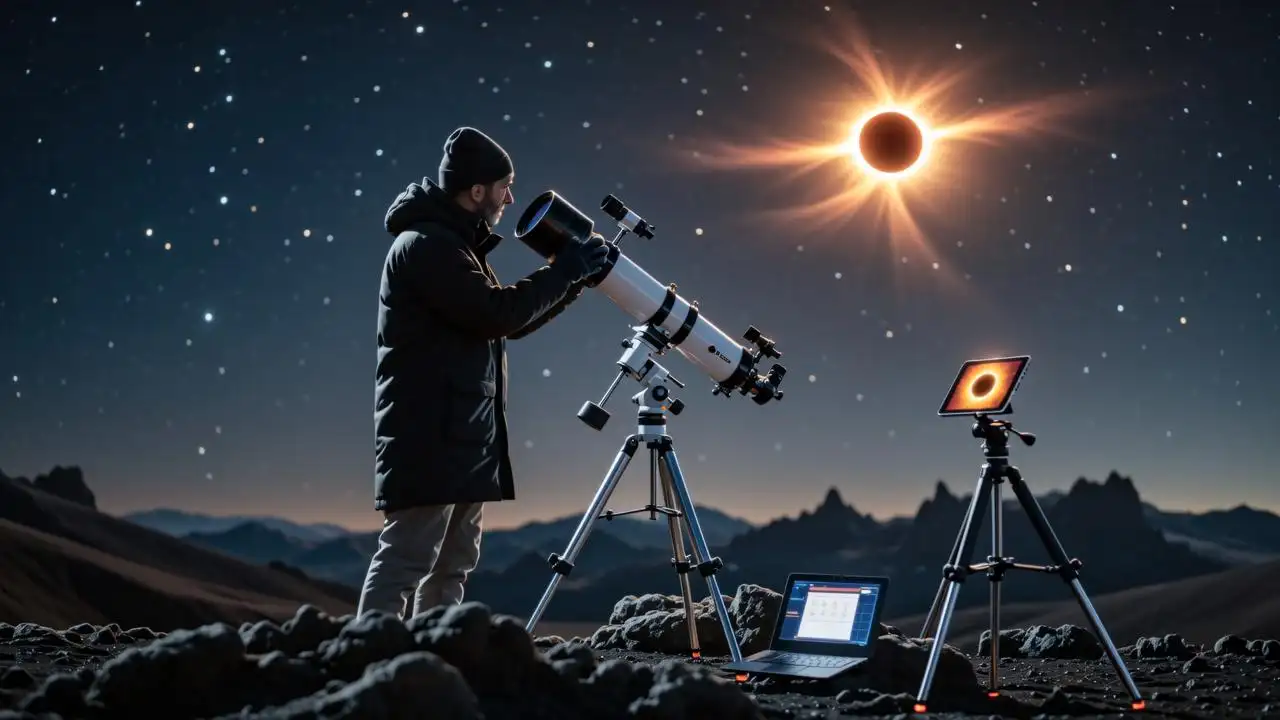
The resurgence of astrology in mainstream culture is not merely a trend—it reflects a deeper human impulse to find meaning in natural cycles. From social media platforms highlighting moon phase rituals to academic discussions on chronobiology, the dialogue around celestial influences continues to expand. What distinguishes this era is the integration of real-time astronomical data into astrological forecasting. Events such as planetary retrogrades, solar flares, and eclipse seasons are now tracked with high accuracy by institutions like NASA and the International Astronomical Union (IAU), enabling astrologers to align their interpretations with verifiable phenomena. This synergy between science and symbolism underpins the credibility of modern 2026 astrology forecasts, making them more relevant than ever.
This report aims to deliver clear, evidence-informed perspectives on key celestial occurrences expected between late 2025 and 2026. By examining lunar cycles, major space phenomena, and emerging research at the intersection of astronomy and behavioral studies, we provide readers with practical tools to navigate this transformative period. Whether you're exploring intentions during a new moon or preparing for long-term shifts like Saturn’s entry into Gemini, this guide offers structured astrological insights grounded in observable reality.
The **lunar cycle**—lasting approximately 29.5 days—is foundational to astrological timing. Each **new moon** marks the beginning of a fresh lunar phase, when the Moon aligns closely with the Sun in the same zodiac sign, symbolizing new beginnings and opportunities for setting intentions. These moments are widely used in personal development practices, from journaling to meditation, due to their association with renewal and potential.
For those following **new moon astrology updates**, several key dates stand out between October 2025 and March 2026:
Each of these **new moon astrology updates** offers a unique energetic imprint based on the qualities of its zodiac sign and surrounding planetary aspects. Collectively, they reflect a progression from inner transformation (Scorpio) through intellectual and societal evolution (Aquarius) toward dissolution and rebirth (Pisces). Tracking these monthly shifts allows individuals to synchronize personal goals with broader cosmic currents, enhancing intentionality and self-awareness.
One of the most compelling intersections between astronomy and astrology lies in the study of **astrology and space phenomena**. While astronomers measure physical events, astrologers interpret their symbolic resonance. Between 2025 and 2026, several high-impact celestial events will occur, including eclipses, retrogrades, and meteor showers—all of which carry layered significance.
In 2025, two eclipse seasons will take place:
These are followed by pivotal events in 2026:
Planetary retrogrades also play a critical role. Notably, **Mercury will go retrograde three times in 2026**: in Aries (April), Virgo (August), and Sagittarius (December)—each prompting review periods in communication, health routines, and belief systems respectively.
Meteor showers, while less emphasized in traditional astrology, are increasingly discussed within the context of energetic surges. The annual **Perseids (August)** and **Geminids (December)** peak during heightened geomagnetic activity, which some researchers correlate with spikes in creative output and emotional sensitivity—an area explored further in emerging **breaking astrology science discoveries**.
Modern technology is reshaping how we understand the relationship between celestial mechanics and human experience. Recent peer-reviewed studies have begun investigating correlations between **geomagnetic activity** and behavioral changes. For example, a 2023 study published in *Neuroendocrinology Letters* found statistically significant links between low geomagnetic conditions and increased reports of anxiety and sleep disruption across diverse populations.
Advancements in **astrochronology**—the analysis of time-based patterns in biological and psychological data—are also gaining traction. Researchers at the University of California, Berkeley, have developed algorithms that map circadian and infradian rhythms (such as lunar and seasonal cycles) onto mood fluctuation datasets, revealing subtle but measurable periodicities aligned with lunar phases.
Perhaps most transformative are **emerging tools using AI and ephemeris data** to refine astrological predictions. Platforms like Astroscope and TimePassages now integrate machine learning models trained on decades of planetary position records (ephemerides) and user-reported life events. While still experimental, these systems aim to move beyond generic horoscopes toward personalized, data-driven insights—a hallmark of **fact-based astrology**.
Such innovations do not replace traditional interpretation but enhance it. They allow practitioners to test hypotheses—for instance, whether people born under Mars-dominant charts exhibit higher pain tolerance or faster reaction times—using large-scale anonymized datasets. This convergence represents a new frontier in **breaking astrology science discoveries**, where esoteric wisdom meets empirical validation.
As we approach 2026, three macro-level astrological developments will define the decade's trajectory:
First, **Saturn’s shift into Gemini** in June 2026 (after a brief dip in May) ushers in a seven-year cycle emphasizing communication, education, and information integrity. Historically, Saturn in air signs correlates with regulatory reforms in media, transportation, and digital infrastructure. Given today’s landscape of artificial intelligence and misinformation, this transit may catalyze stricter policies around data privacy and online content verification.
Second, **Jupiter’s transit through Taurus** (from May 2025 to June 2026) supports material stability, sustainable growth, and appreciation of tangible value—whether in finance, agriculture, or the arts. This extended Jupiter presence benefits long-term investments and ecological initiatives, reinforcing themes of abundance rooted in responsible stewardship.
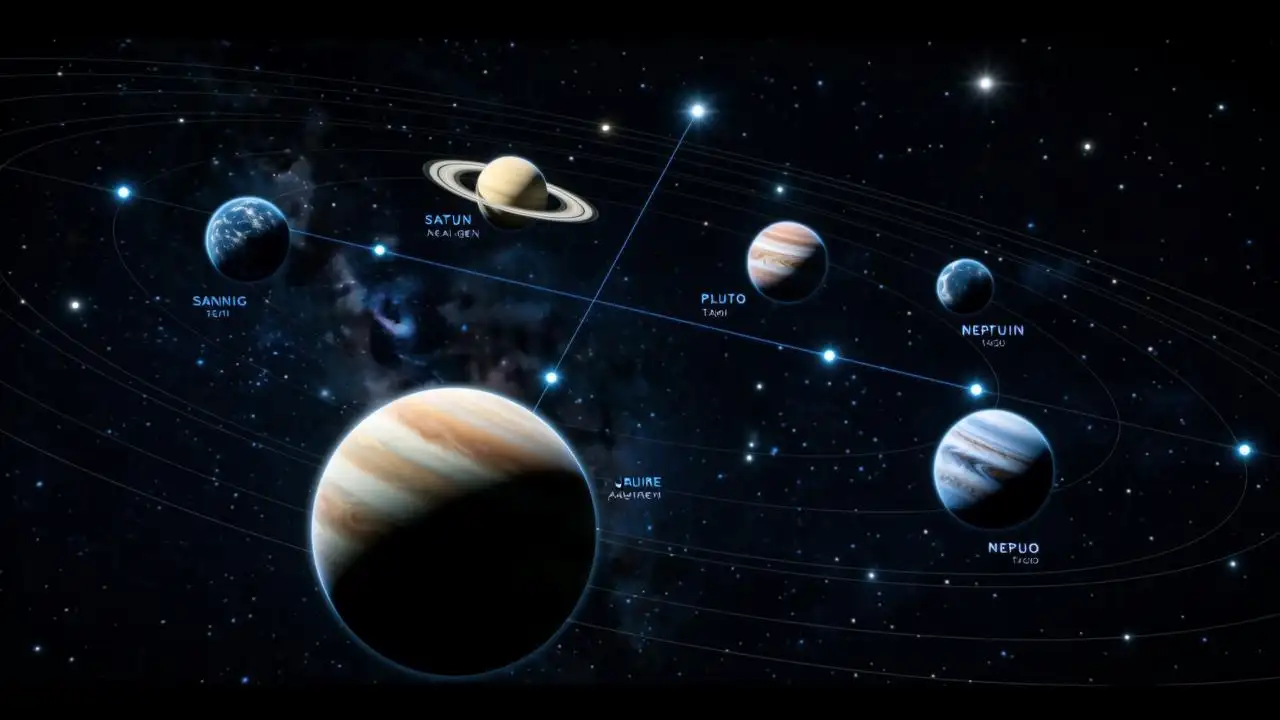
Third, the building tension between **Pluto in Aquarius and Neptune in Aries** forms a square aspect starting late 2025, peaking in 2026. Known as the **Pluto-Neptune square**, this configuration historically precedes periods of profound societal transformation—often involving upheaval in ideological systems, spiritual awakenings, or technological revolutions. Past instances (e.g., 1888–1890, 1939–1941) were marked by paradigm shifts in science, war, and mass consciousness. Today, it may manifest through breakthroughs in quantum computing, climate adaptation technologies, or global movements demanding systemic equity.
Together, these trends underscore why staying updated with the latest astrology news 2025 and monitoring **astrology trends 2026** is essential for anticipating cultural momentum and personal alignment.
With the volume of astrological content online, distinguishing credible reporting from sensationalism is crucial. Look for sources that cite astronomical data from authoritative bodies like NASA or the IAU, reference ephemeris tables, and avoid fear-based language. Reputable platforms such as AstroTwins, Cafe Astrology, and The Mountain Astrologer offer **accessible astrology** grounded in both tradition and transparency.
For tracking **new moon astrology updates** and other **space phenomena 2025**, consider using apps like SkySafari or websites like timeanddate.com, which provide precise timings and visibility maps. Subscribing to newsletters from certified astrologers who disclose their methodology ensures access to **structured astrological insights** without hype.
Ultimately, observing celestial cycles invites us to engage with time not just mechanically, but meaningfully. Whether viewed through a scientific lens or a reflective one, the cosmos offers a mirror for introspection and a calendar for conscious living.
【Disclaimer】This article contains information regarding 2026 astrology and related topics for educational and reflective purposes only. It does not constitute professional advice in psychology, astronomy, or any regulated field. Readers are encouraged to consult qualified experts before making decisions based on the content provided. The author and publisher disclaim liability for any actions taken as a result of reading this information.
Clara Bennett
|
2025.12.26


