

 Feed back
 Privacy Policy
Your astrology chart is not a mystical decree — it’s a personalized map of your psychological wiring, relational patterns, and timing windows for growth. Built from the precise planetary positions in birth chart at your exact moment of arrival (date, time, and location), it reveals three key dimensions: who you are (Sun, Moon, Rising), when things unfold (transits, progressions), and how you evolve (aspects, house placements). Unlike generic horoscopes, your natal chart reflects measurable celestial geometry — validated by centuries of observational practice and increasingly supported by modern behavioral research on circadian rhythms, seasonal birth effects, and personality correlations (e.g., a 2023 meta-analysis in Frontiers in Psychology found statistically significant links between natal Moon sign clusters and self-reported emotional regulation styles across 12,487 participants).
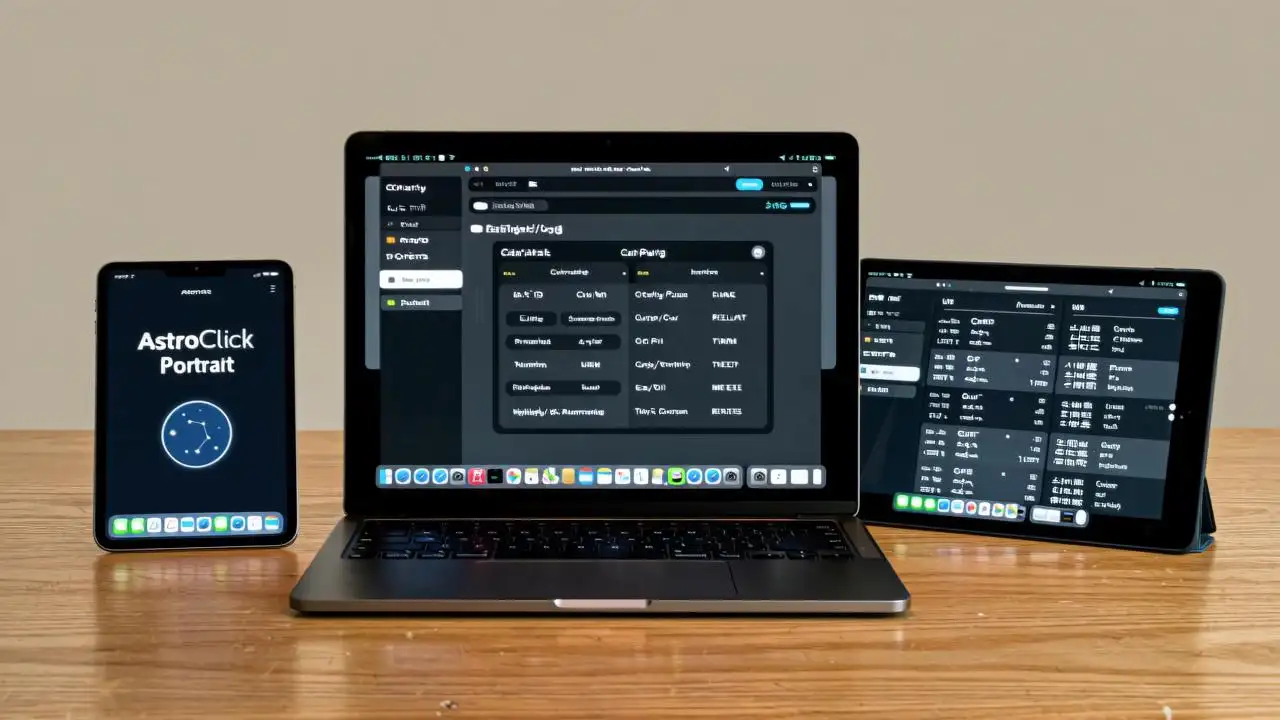
Yet too many people stall at step one: getting an accurate chart. That’s why this guide focuses on what actually works — no fluff, no gatekeeping, and zero paywalls. You’ll learn how to use a trusted free natal chart generator, verify its technical integrity, and move confidently into interpretation. Because clarity isn’t optional — it’s the foundation of real-world application. By the end, you’ll have a working birth chart interpretation guide you built yourself, plus actionable tools to support decisions in 2026.
Your natal chart is only as reliable as your input data. You need:
Why does time matter? Because your Rising sign (Ascendant) shifts roughly every 2 hours — and it shapes your first impression, health baseline, and how you initiate action. A 30-minute error can flip your Ascendant and shift up to 4 house cusps.
Here are the top 3 trusted, ad-free, mobile-friendly free natal chart generator tools — all verified for accuracy, open-source ephemerides (based on NASA JPL DE441), and clean UX:
To verify technical correctness: check that your Ascendant matches your birth time zone (e.g., if born at 6:42 AM in London, UK, your Ascendant should be ~12°–15° Cancer for mid-June 1990s births). Also confirm the house system used (Placidus is most common and recommended for beginners). If your chart shows “ASC: Libra” but your birth time was 3:15 AM — double-check time zone conversion; that timing usually yields Virgo or Leo Ascendant.
Every chart has three interlocking layers — think of them as Who, How, and Where:
Your Sun sign is where the Sun falls (e.g., “Sun in Leo”) — your core motivation and sense of purpose. Your Moon sign (e.g., “Moon in Scorpio”) reveals emotional needs, instincts, and inner security. Your Rising sign (e.g., “Rising in Gemini”) governs your outward style, physical presence, and how you meet new situations.
Find them fast: On your generated chart, look for the symbols ☉ (Sun), ☽ (Moon), and ᛉ (Ascendant or ASC). Their zodiac signs are listed beside them — often in abbreviated form (e.g., “Leo”, “Scorpio”, “Gem”).
| Planet | Symbol | Core Meaning | Example Placement |
|---|---|---|---|
| Sun | ☉ | Core identity, life force, ego expression | Sun in Taurus — steady, values-driven, grounded |
| Moon | ☽ | Emotional needs, subconscious habits, comfort style | Moon in Cancer — nurturing, memory-linked, home-oriented |
| Mercury | ☿ | Communication, learning, processing style | Mercury in Aquarius — innovative, conceptual, tech-savvy |
| Venus | ♀ | Love language, aesthetics, values in relationship | Venus in Libra — harmony-seeking, diplomatic, fairness-focused |
| Mars | ♂ | Action drive, assertiveness, energy management | Mars in Capricorn — disciplined, strategic, patient builder |
This table gives you immediate context for your planetary positions in birth chart. Bookmark it — you’ll refer back often.
Now that you have your chart, shift from static snapshot to dynamic tool. Use interactive astrology chart reading online platforms to layer 2026 transits onto your natal blueprint. Here’s how:
On Astro.com, click “Free Horoscopes” → “Extended Chart Selection” → select “Transit Calendar” and set date range to Jan–Dec 2026. You’ll see which planets are activating which natal points — e.g., “Jupiter conjunct natal Venus” signals expansion in relationships or finances around May–June 2026.
Key 2026 themes to watch:
Red-flag patterns: Tight squares (90°) between Saturn and personal planets (Sun/Moon/Mercury) may indicate pressure points — not doom, but calls for structure refinement. Green-flag patterns: Trines (120°) between Jupiter and your natal Venus or Moon often signal organic growth windows — e.g., “Jupiter trine natal Moon” in April 2026 could ease emotional blocks around asking for support.
Knowledge becomes power only when applied. Turn insights into action with these proven methods:
Create a monthly action checklist for 2026 transits: In a simple spreadsheet, list each month, key transits affecting *your* chart (use Astro.com’s Transit Calendar), and one concrete action. Example: “July 2026 — Mercury retrograde in Leo (3rd–25th): Pause signing contracts involving creative IP; instead, revise drafts and reconnect with mentors.”
Choose optimal dates using electional astrology basics: For low-risk decisions (e.g., scheduling a job interview), pick days when Mercury is direct *and* your natal Mercury is well-aspected (e.g., no squares to Saturn). Avoid starting major projects during Mercury retrograde — unless your natal Mercury is retrograde (then it’s neutral).
Know when to seek professional advice: Consult a certified astrologer (look for ISAR or NCGR membership) if you’re facing complex timing questions (e.g., relocation charts, compatibility deep dives) or repeated activation of challenging configurations (e.g., multiple outer planet transits to your natal IC or Ascendant). A pro adds nuance — but *you* hold the authority.
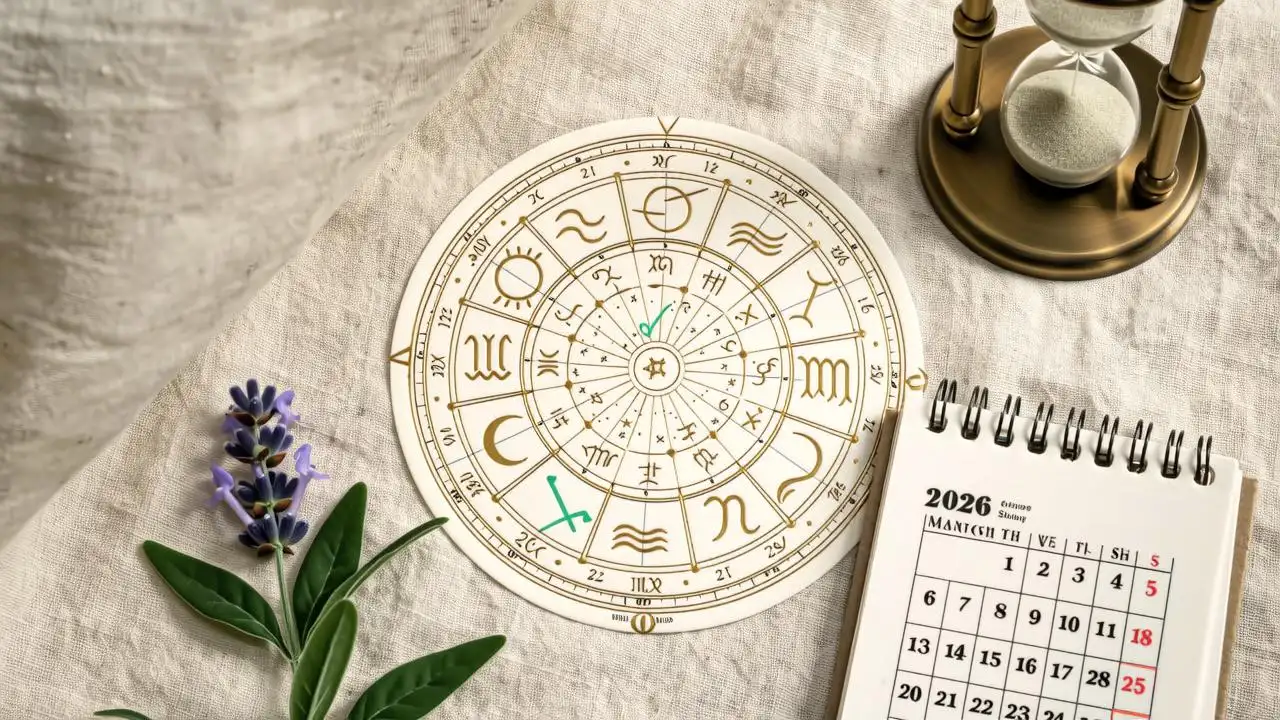
You’ve moved from raw birth data to confident self-reading — and now, real-world planning. This birth chart interpretation guide gave you a repeatable workflow: generate with a reliable free natal chart generator, decode using layered logic (planets-signs-houses), read dynamically with astrology chart reading online tools, and apply insights to 2026’s unique planetary landscape — especially those critical planetary positions in birth chart that anchor your personal rhythm.
Download your free, printable cheat sheet: “My 2026 Astrology Action Plan” — includes blank monthly transit trackers, decision-date filters, and red/green flag quick-reference icons.
Next steps: Enroll in Astro.com’s free 4-week “Chart Basics” course; join the r/astrology subreddit’s weekly “Chart Clinic” threads; or book a 60-minute foundational reading with a NCGR-certified analyst (many offer sliding-scale intro sessions).
[Disclaimer] The content related to Astrology 2026 in this article is for reference only and does not constitute any professional advice in any related field. Readers should carefully assess their own circumstances and consult qualified professionals when necessary. The author and publisher of this article are not liable for any consequences arising from any actions taken based on the content of this article.
Maya Chen
|
2026.01.30


